




Connect with us for all your signage needs.
Custom Wayfinding ADA Signs in Massachusetts
Clear, accessible signage is an important part of creating a professional and welcoming environment for employees, customers, patients, tenants, and visitors. At Banners Etc., we provide custom wayfinding ADA signs in Massachusetts designed to help people move through interior spaces with greater clarity, confidence, and accessibility.
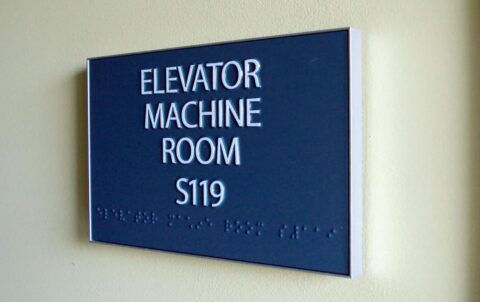
ADA wayfinding signs are commonly used to identify permanent rooms and spaces, mark restrooms, label stairwells and exits, and support navigation throughout offices, schools, healthcare facilities, apartment buildings, retail spaces, and public-facing commercial properties. These signs are typically produced with raised tactile characters, Grade 2 Braille, readable contrast, and compliant mounting practices to support accessibility standards.
Our custom ADA signs are built to combine function, readability, and a clean professional appearance, helping businesses maintain a polished space while improving navigation for everyone.
ADA Signs for Interior Navigation and Room Identification
ADA signage is especially important anywhere permanent spaces need to be clearly labeled. Federal ADA guidance generally requires tactile signs for permanent rooms and spaces, while directional and informational signs typically must meet visual readability requirements such as legibility, contrast, and non-glare finishes.
These signs are commonly used for:
-
Restroom signs
-
Office and suite numbers
-
Conference rooms
-
Exit stair identification
-
Electrical and utility rooms
-
Accessible entries and designated areas
-
Interior navigation throughout commercial buildings
This makes ADA wayfinding signage a practical solution for businesses that want signage that is both functional and visually consistent across their property.
Designed for Accessibility, Readability, and Professional Appearance
Well-designed ADA signs do more than satisfy technical requirements. They also help create a more organized and user-friendly space. Raised lettering, Braille, strong visual contrast, and thoughtful placement all contribute to a better navigation experience for visitors and staff. Official ADA guidance for tactile signage covers raised characters, Grade 2 Braille, non-glare finishes, contrast, and installation height/location.
At Banners Etc., we create ADA signage that is designed to support:
-
Clear room identification
-
Easier interior navigation
-
Consistent branding across a facility
-
Professional presentation in public and private spaces
-
Better accessibility for people who are blind or have low vision
Common ADA Wayfinding Sign Types
We produce custom ADA wayfinding signs for a wide range of applications throughout Massachusetts businesses and facilities.
Room Identification Signs
Room identification signs are used for permanent spaces such as offices, restrooms, exam rooms, classrooms, storage areas, and stairwells. These are among the most common ADA sign types because permanent room labels are typically required to include tactile characters and Braille.
Restroom ADA Signs
Restroom signs are one of the most recognizable ADA signage categories. These signs help clearly identify men’s, women’s, family, and accessible restroom locations while maintaining consistent formatting and visibility throughout a building.
Exit and Stairwell Signs
Exit access doors, exit stairways, and exit discharge doors may require tactile identification signs, while directional exit signs are generally subject to visual requirements.
Directional Wayfinding Signs
Directional signs help guide visitors toward key destinations such as lobbies, elevators, reception areas, offices, restrooms, and service counters. While many directional signs are not tactile signs, they still benefit from strong layout, contrast, and consistent formatting for easy visual navigation.
Custom Materials, Finishes, and Layout Options
ADA signage can be fabricated in a range of materials and finishes to suit different environments and branding styles. Depending on the project, signs may include layered acrylic construction, tactile raised copy, Braille, pictograms, custom colors, standoffs, wall-mounted panels, and durable non-glare finishes.
We can help create signage programs that feel cohesive with your property’s interior design while still prioritizing readability and accessibility. This is especially helpful for offices, healthcare facilities, apartment buildings, schools, hotels, and multi-tenant commercial spaces that need signage to look polished as well as functional.
Proper Placement Matters
ADA sign design is only part of the equation. Installation location also matters. Federal accessibility guidance specifies mounting criteria for tactile signs, including placement on the wall near the door and a typical tactile character height range of 48 to 60 inches above the finished floor.
Because sign requirements can vary by application, facility type, and layout, it is important to make sure room identification and accessibility signage is planned carefully during design and installation.
ADA Signage for Massachusetts Businesses and Facilities
Banners Etc. provides custom wayfinding ADA signs in Massachusetts for businesses and organizations that want signage that is clear, durable, and professionally made. We work with property managers, business owners, schools, healthcare offices, retail spaces, apartment communities, and commercial facilities that need dependable interior signage solutions.
Whether you need a small set of room signs or a larger ADA wayfinding package for a full building, we can help create signage that supports navigation, improves accessibility, and fits the look of your space.
A Focused ADA Wayfinding Solution
This page is focused specifically on ADA-compliant room identification and accessible wayfinding signage. For broader navigation systems such as building directories, multi-tenant listings, large directional panels, and general non-ADA navigation signage, your Directory Signage & Wayfinding Signs page can remain the broader companion service page.


